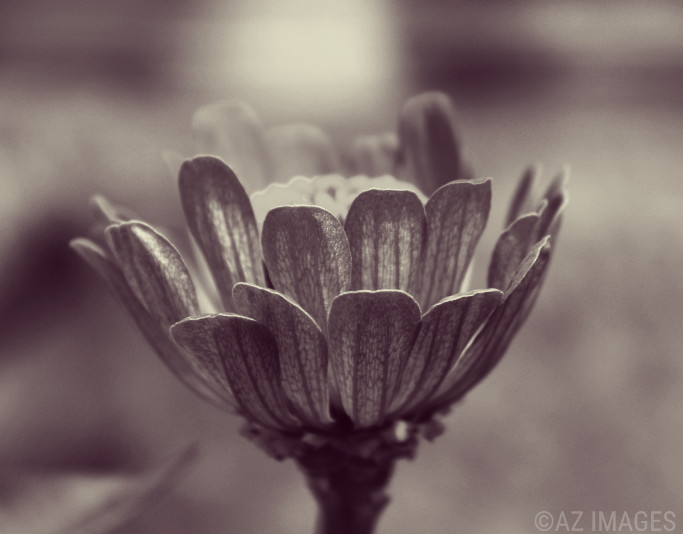
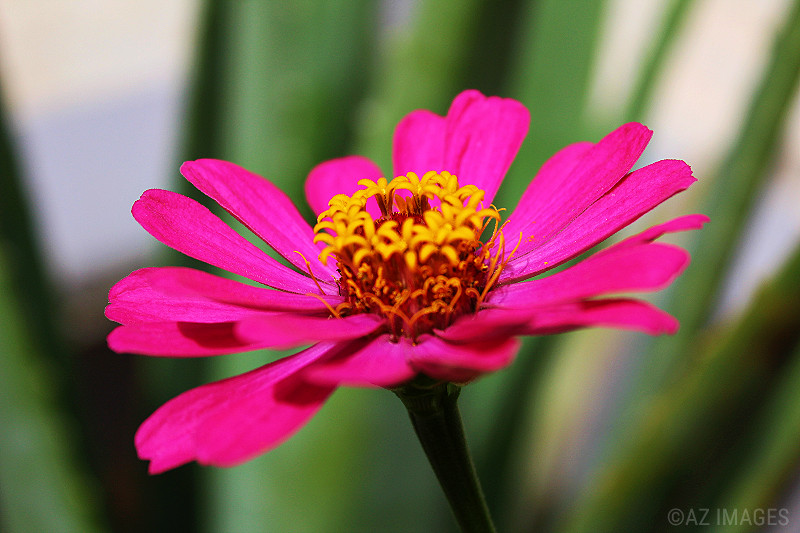
A macro shot of a Zinnia flower in my garden.
A macro shot of a Zinnia flower in my garden.
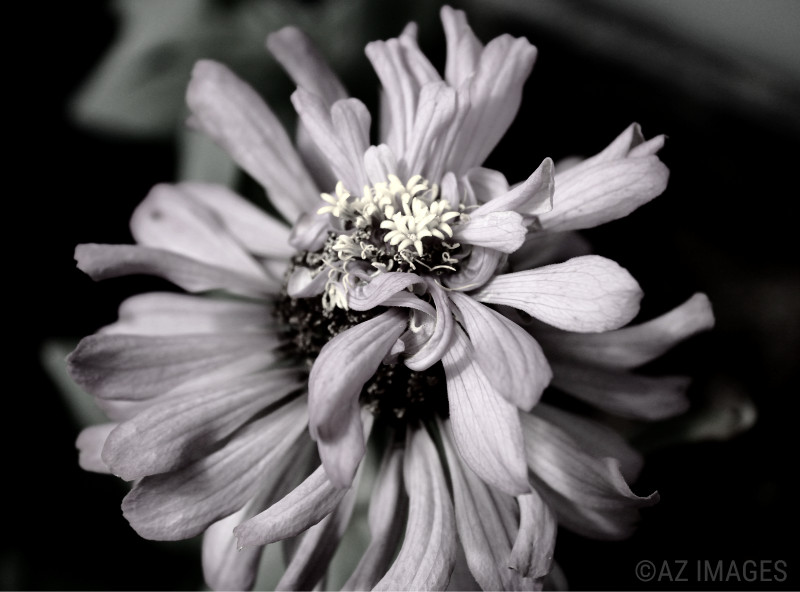
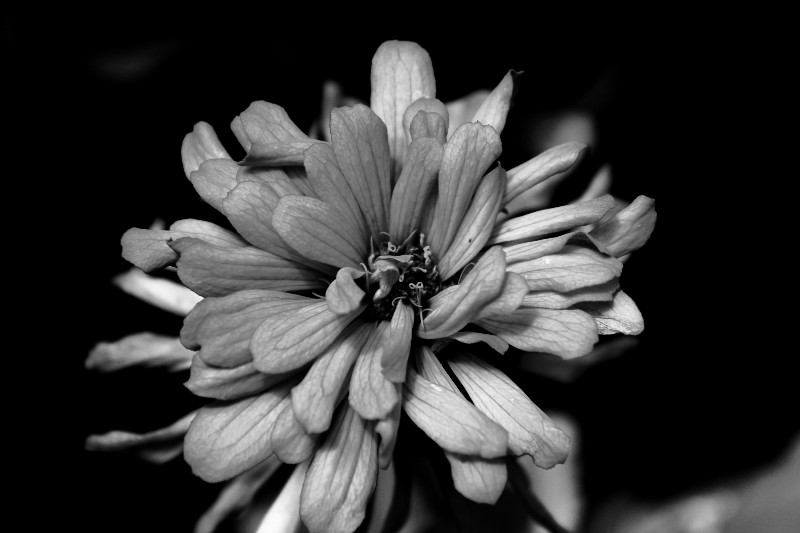
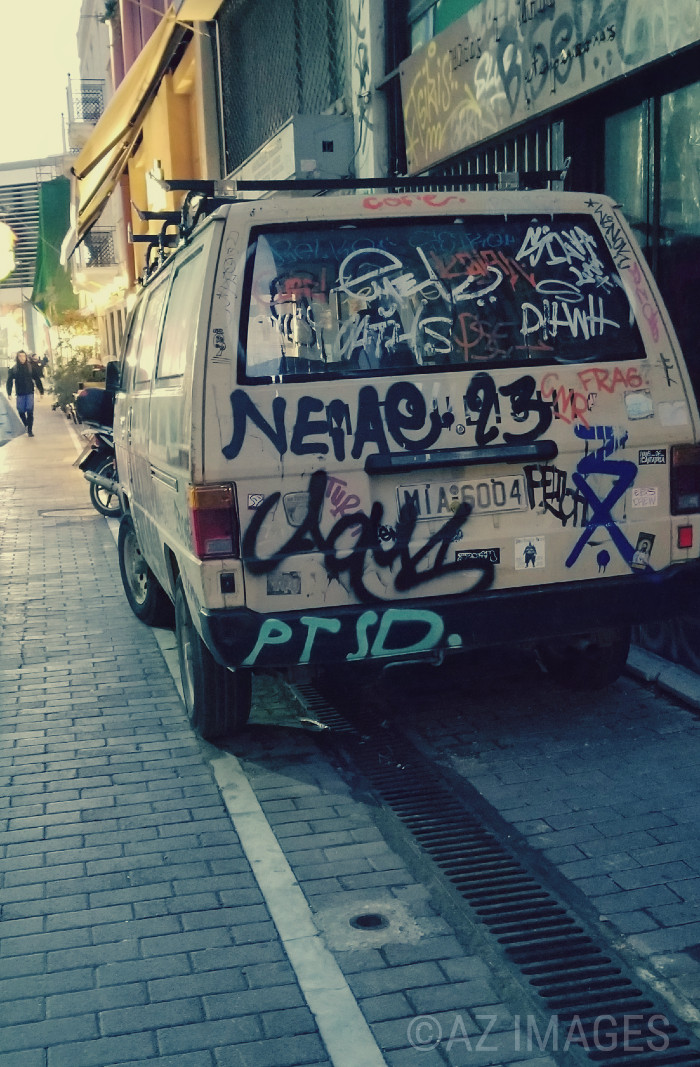
Mangled: Destroyed by being twisted with force or torn into pieces so that the original form is completely changed.
Παραμορφωμένο: Καταστραμμένο επειδή συστράφηκε με δύναμη ή σκίστηκε σε κομμάτια, με αποτέλεσμα η αρχική του μορφή να έχει αλλάξει εντελώς.
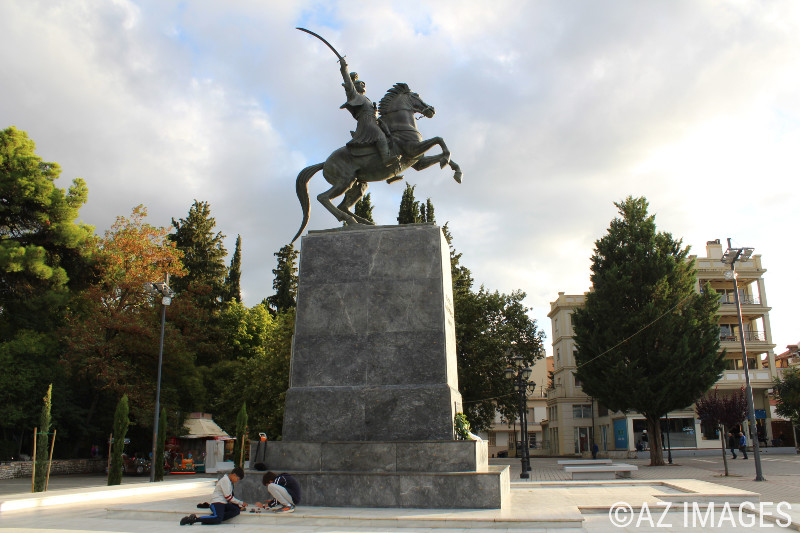
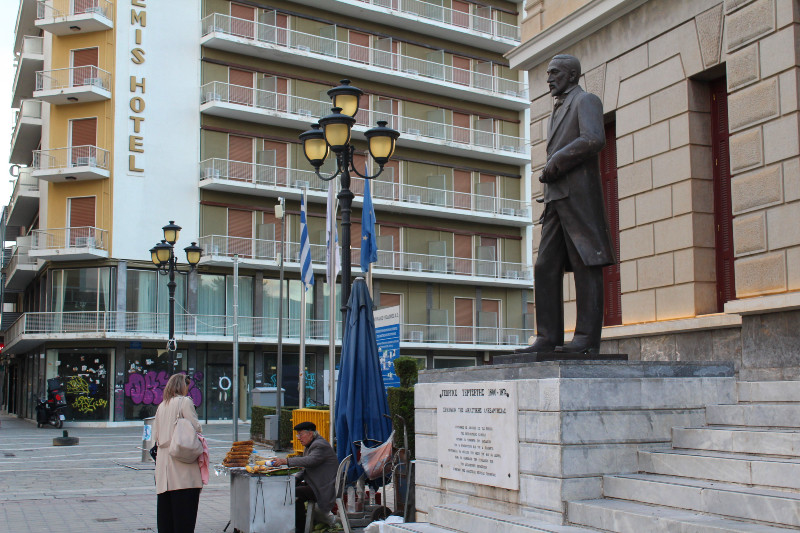
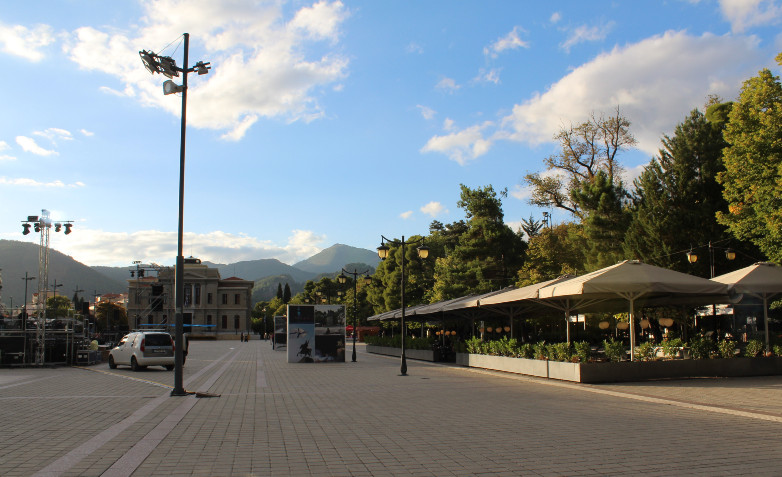
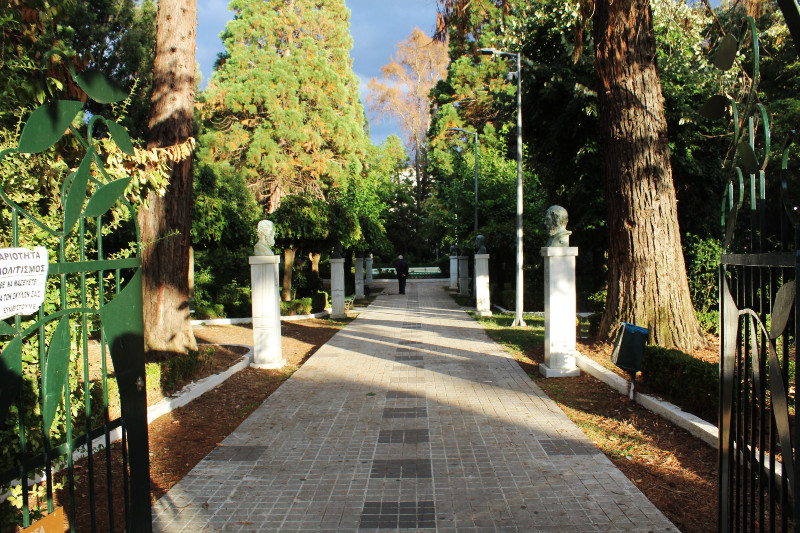
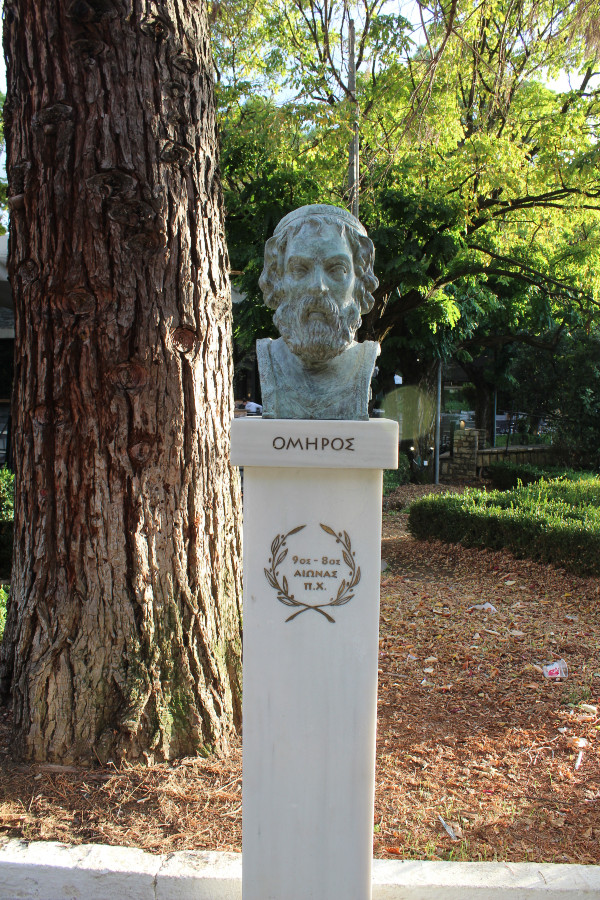
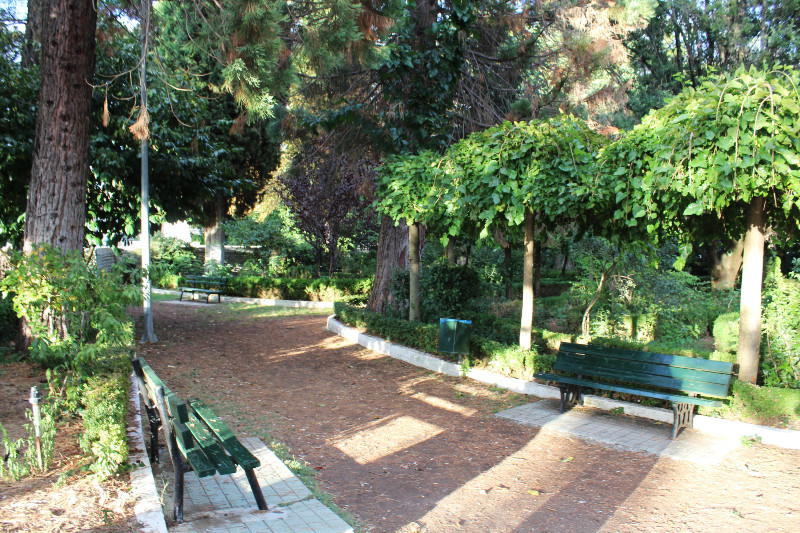
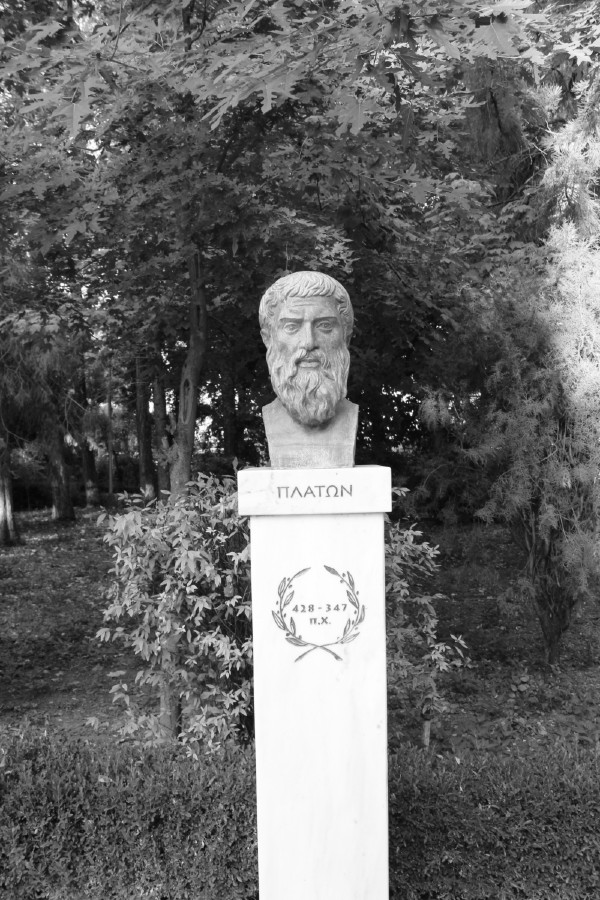
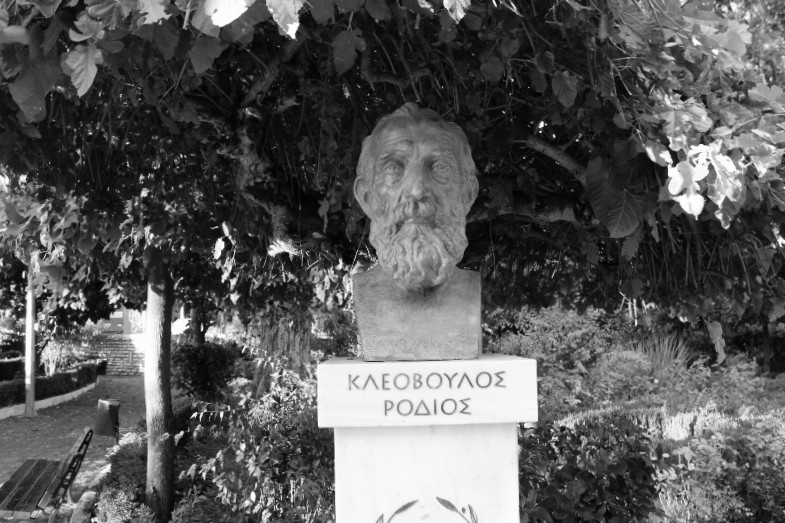
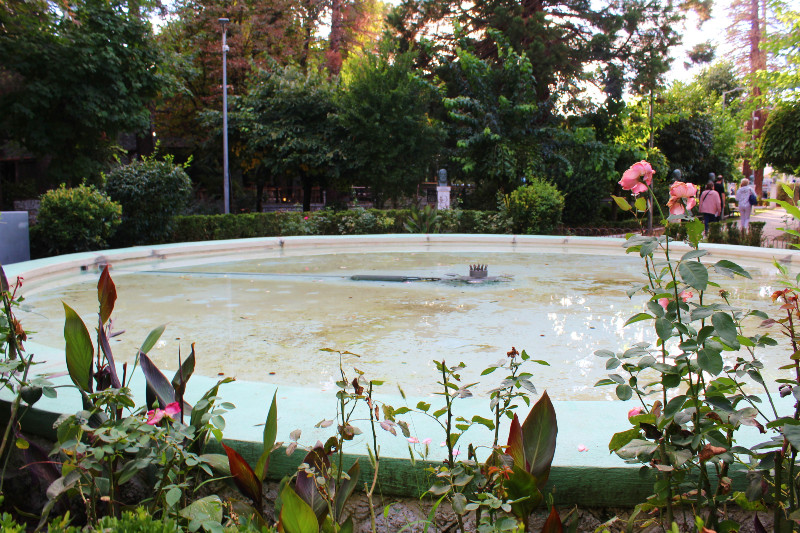
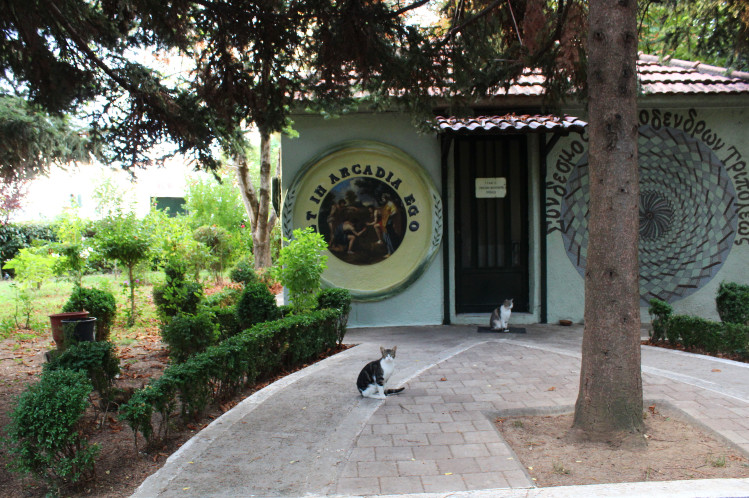
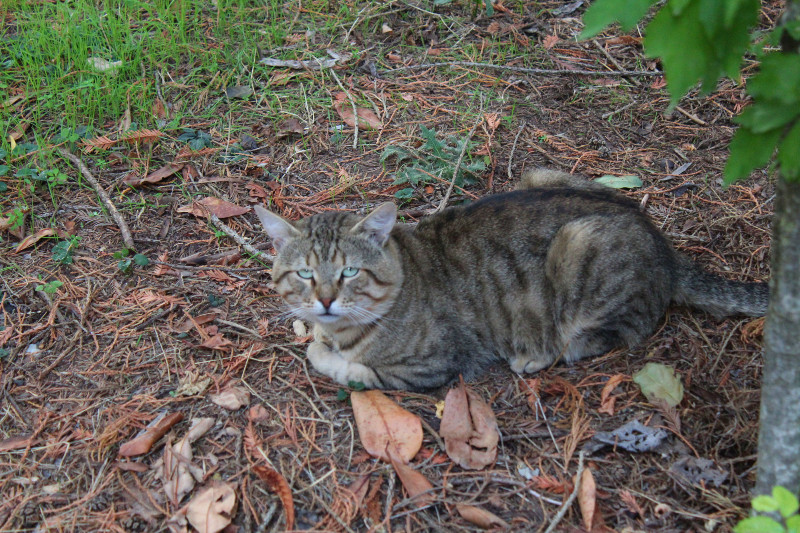
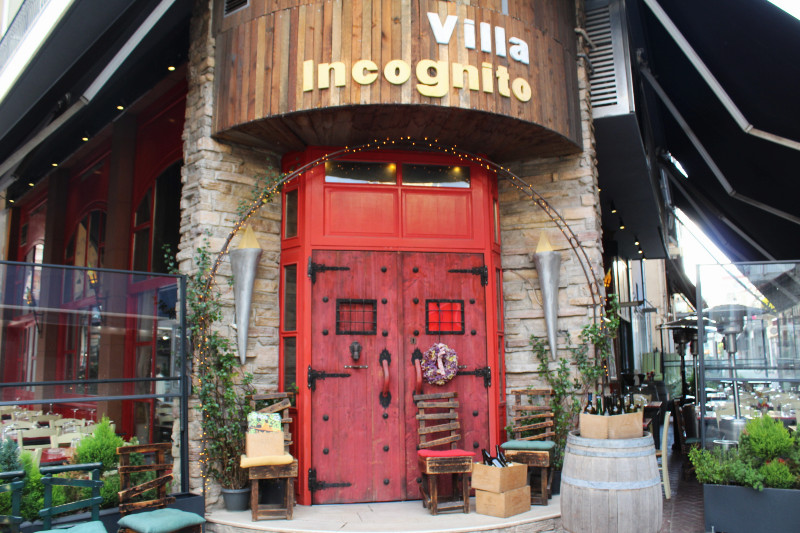
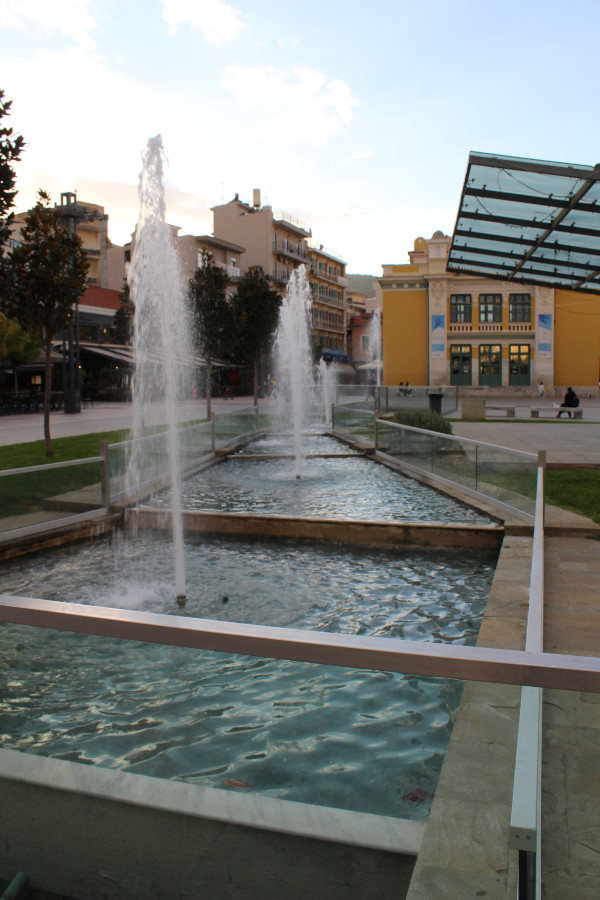
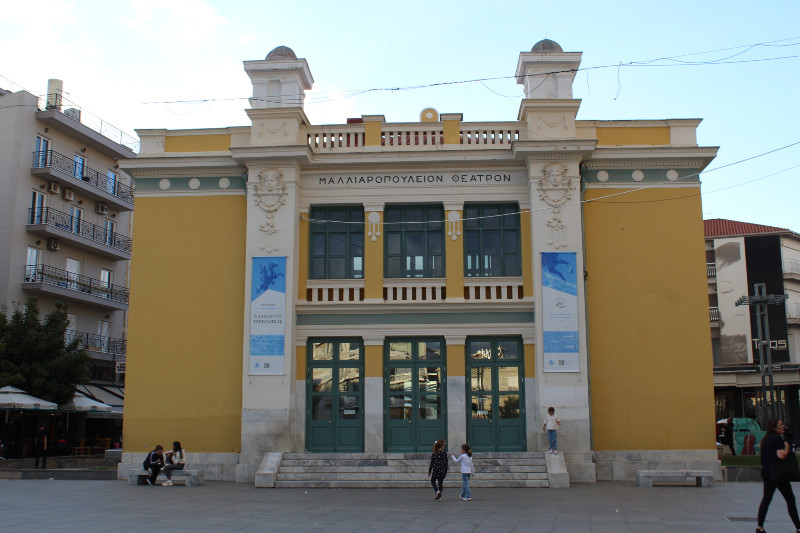
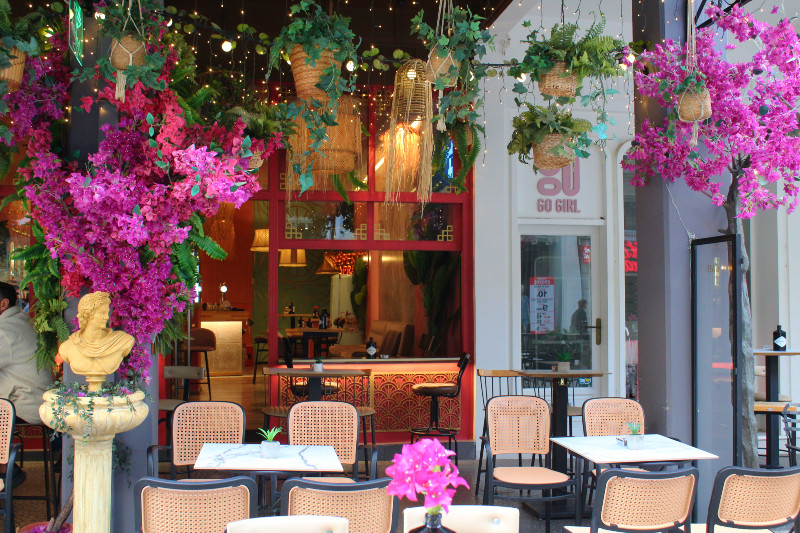
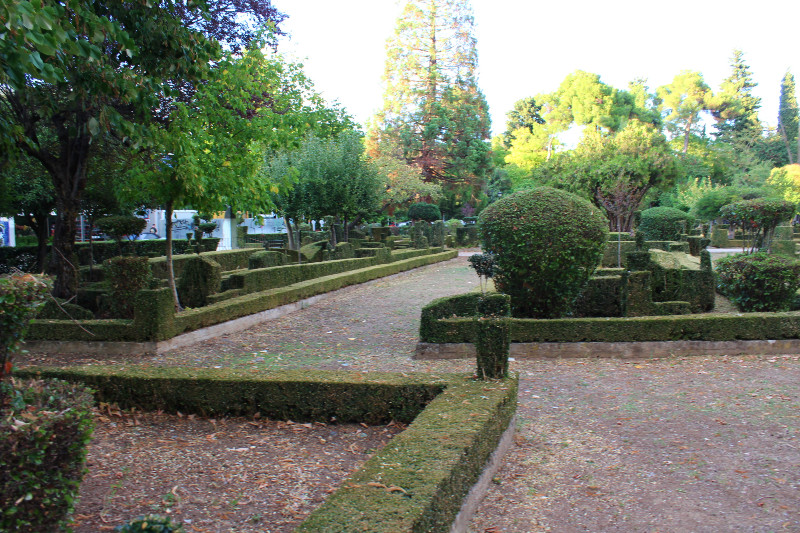
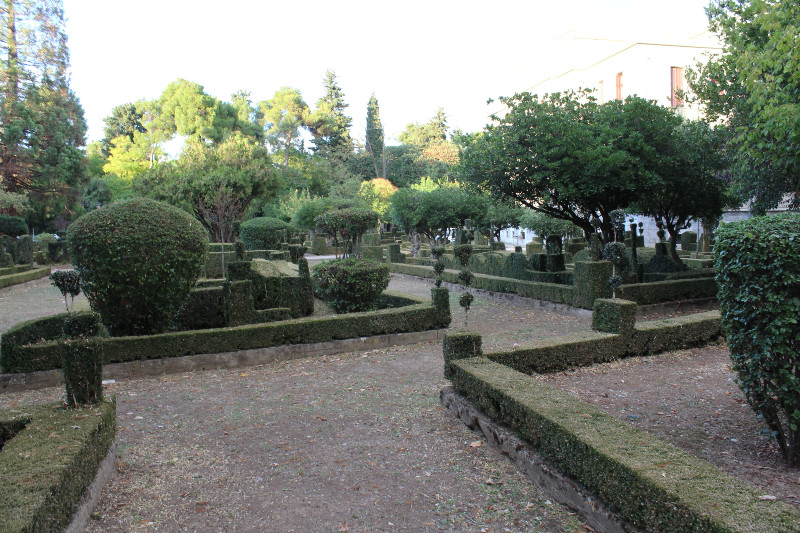
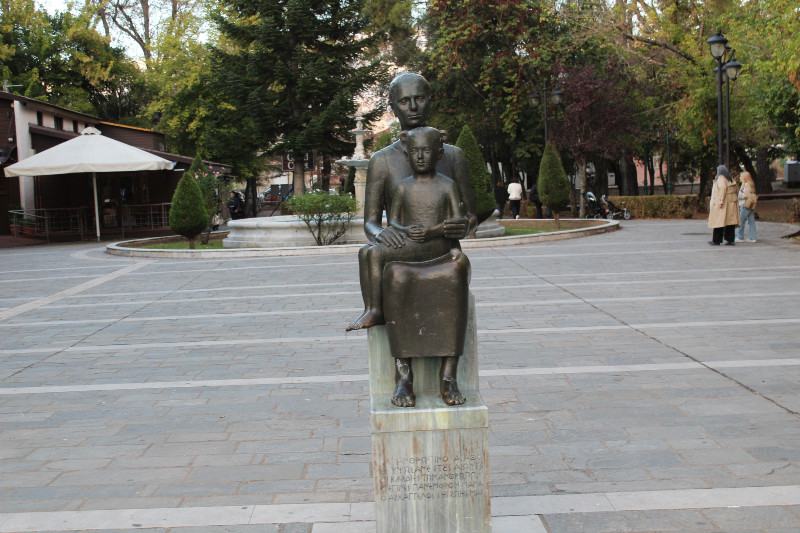
This was my first time visiting the town of Tripoli in Arcadia, and it immediately won me over. It is a nice small town with over 44. 000 inhabitants. It has well groomed parks with statues lined up on the path. A gigantic and famous statue of Greek war hero Theodoros Kolokotronis which is a big attraction for the town. There is a lot of country pride in this part of Greece that you feel more than other regions of Greece. As well as many beautifully designed and decorated cafes and buildings.
I couldn’t help but feel envious of the inhabitants of the town. There is no doubt that they have a better quality of life than Athenians as they have less stress, less (angry) people and noise and are closer to nature.
Ήταν η πρώτη φορά που επισκέφθηκα την πόλη της Τρίπολης στην Αρκαδία και με κέρδισε αμέσως. Πρόκειται για μια ωραία, μικρή πόλη με περισσότερους από 44.000 κατοίκους. Διαθέτει καλοδιατηρημένα πάρκα, στα μονοπάτια των οποίων υπάρχουν παραταγμένα αγάλματα. Ξεχωρίζει το τεράστιο και διάσημο άγαλμα του Έλληνα ήρωα του πολέμου, Θεόδωρου Κολοκοτρώνη, το οποίο αποτελεί σημαντικό πόλο έλξης για την πόλη. Σε αυτό το μέρος της Ελλάδας διαπιστώνει κανείς μια έντονη εθνική υπερηφάνεια —ίσως πιο έντονη από ό,τι σε άλλες περιοχές της χώρας— ενώ συναντά επίσης πολλά κτίρια και καφέ με όμορφο σχεδιασμό και διακόσμηση.
Δεν μπόρεσα παρά να νιώσω μια δόση ζήλιας για τους κατοίκους της πόλης. Είναι αναμφίβολο ότι απολαμβάνουν καλύτερη ποιότητα ζωής σε σχέση με τους κατοίκους της Αθήνας, καθώς έχουν λιγότερο άγχος, λιγότερο θόρυβο και λιγότερους εκνευρισμένους ανθρώπους γύρω τους, ενώ βρίσκονται και πιο κοντά στη φύση.
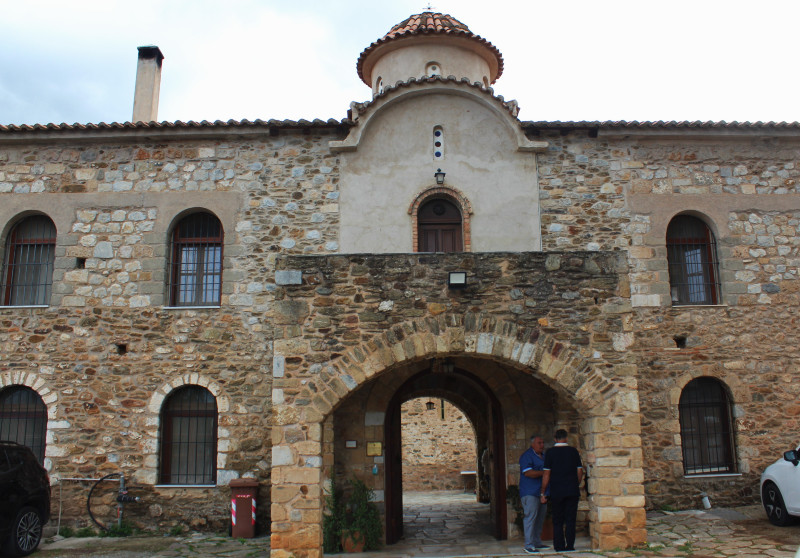
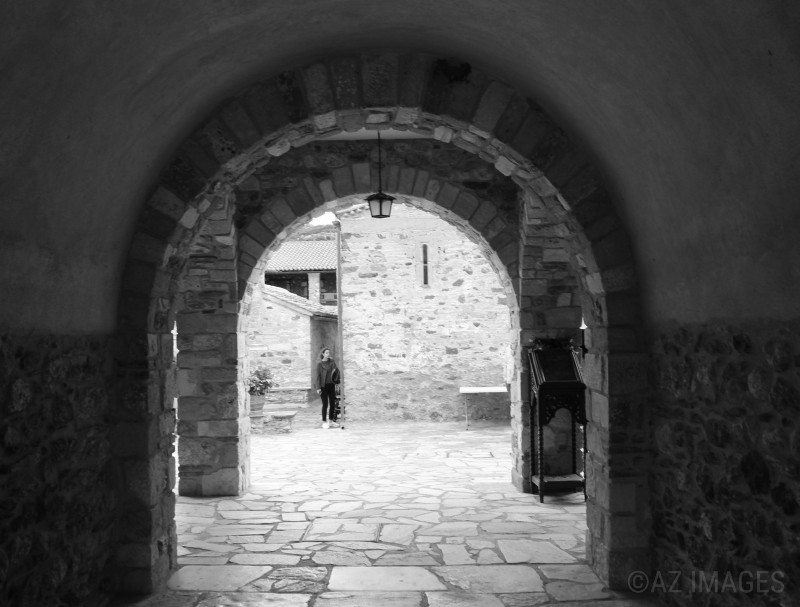
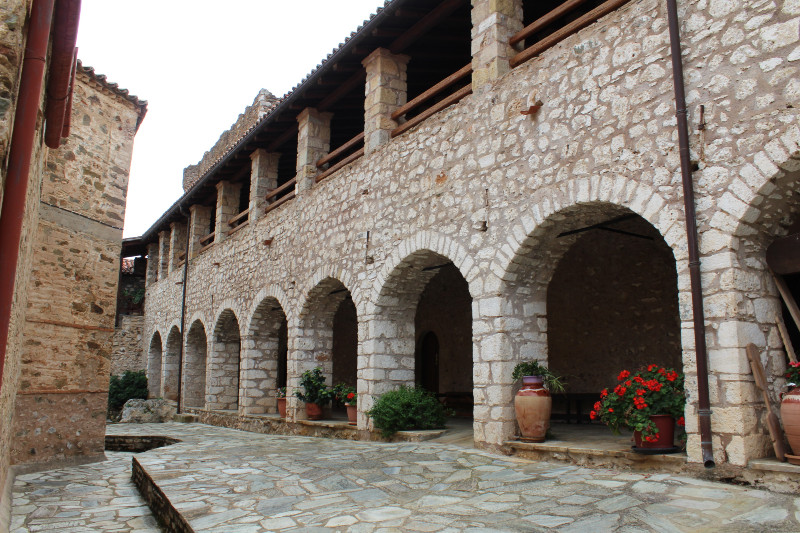
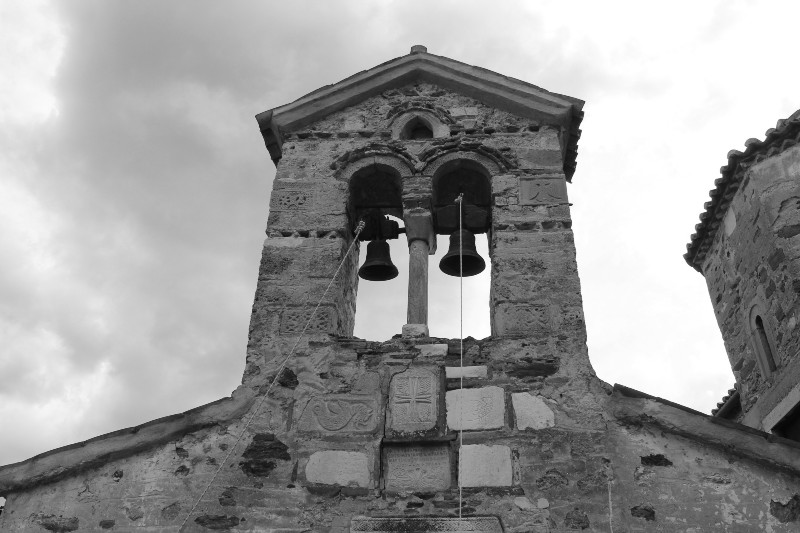
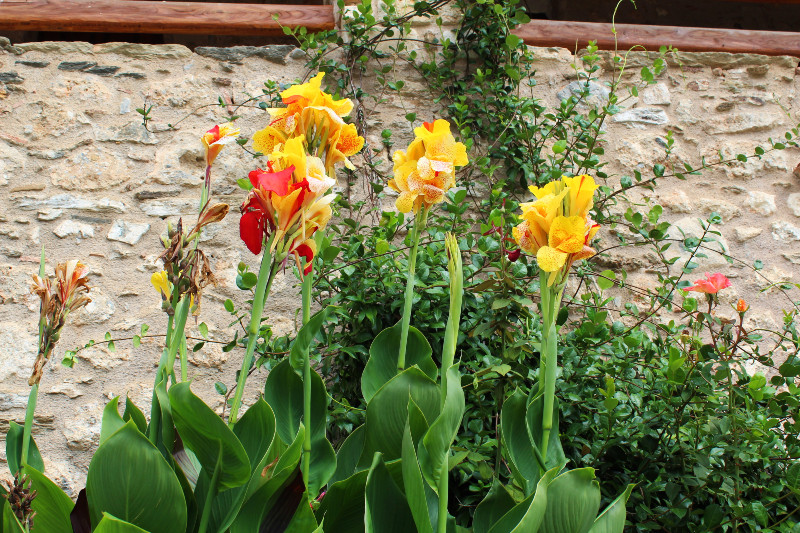
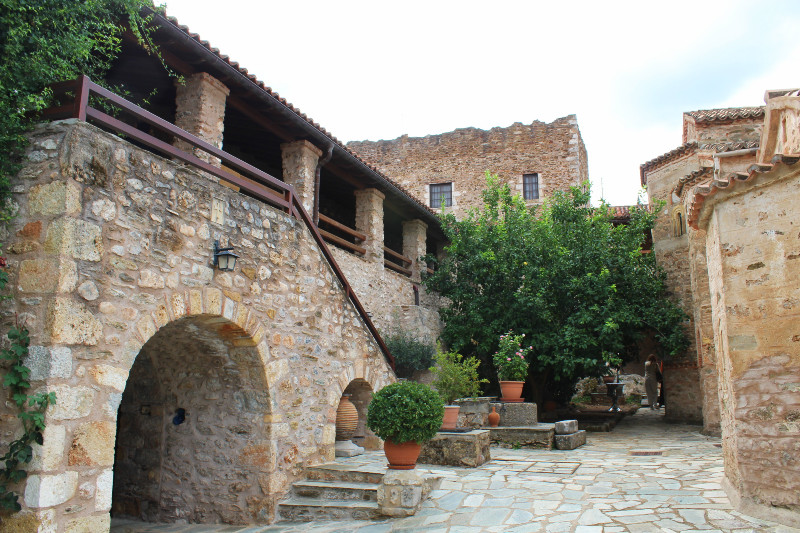
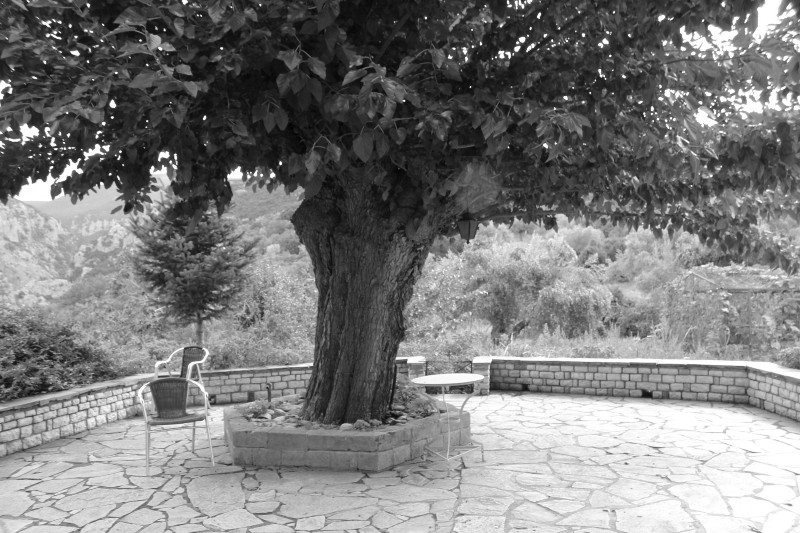
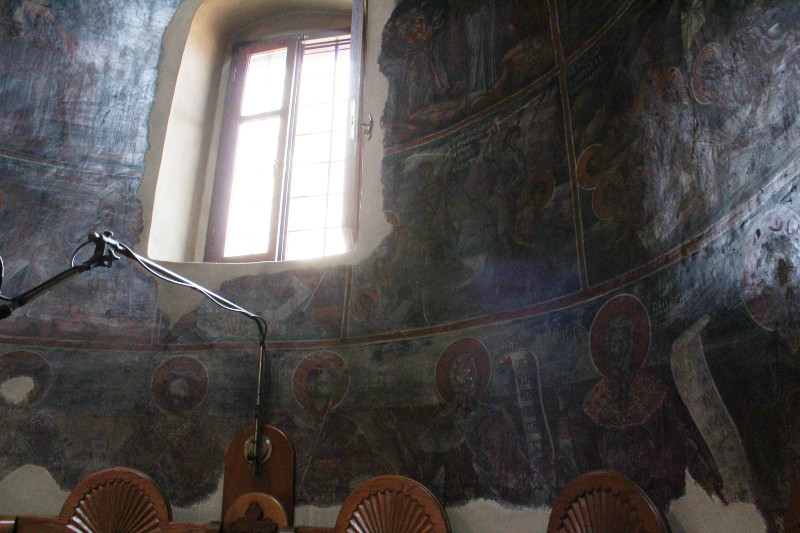
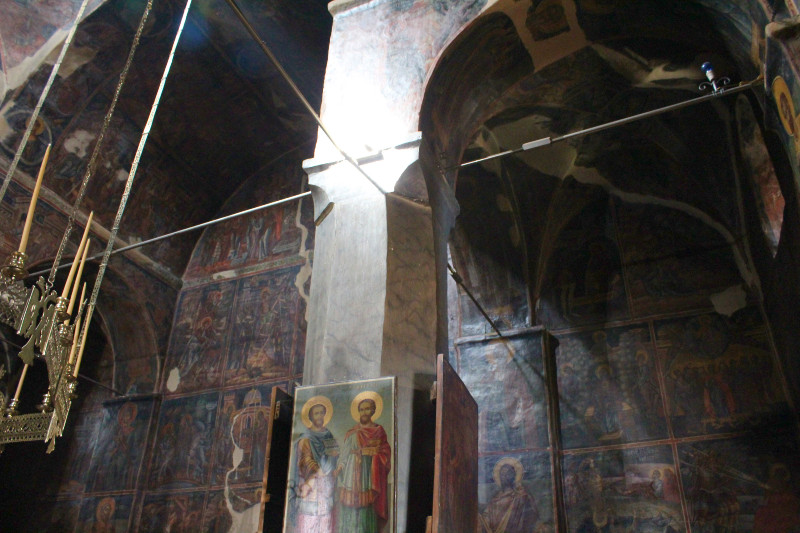
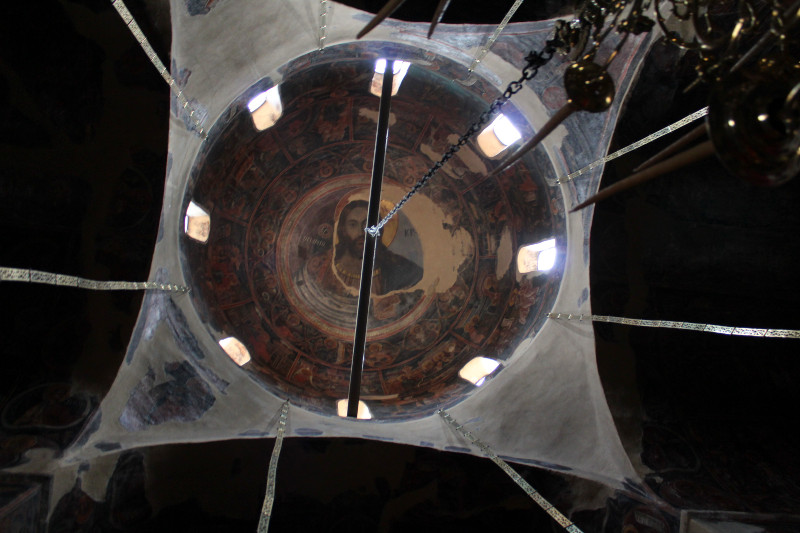
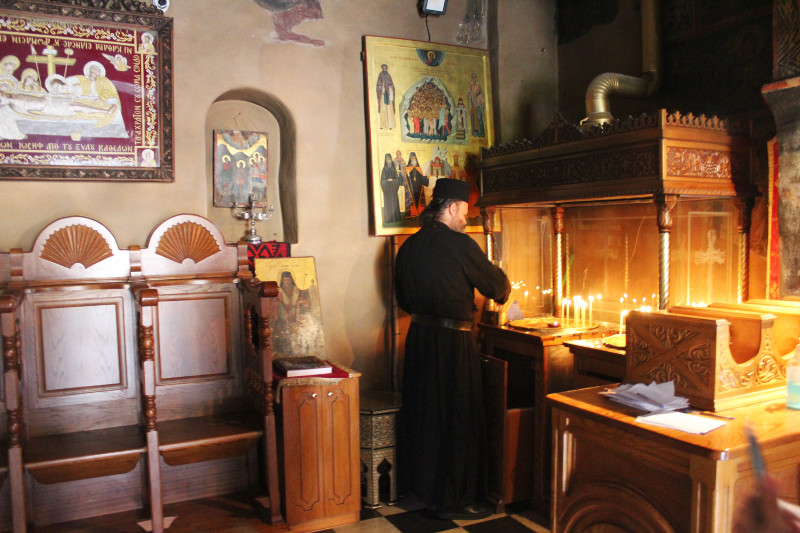
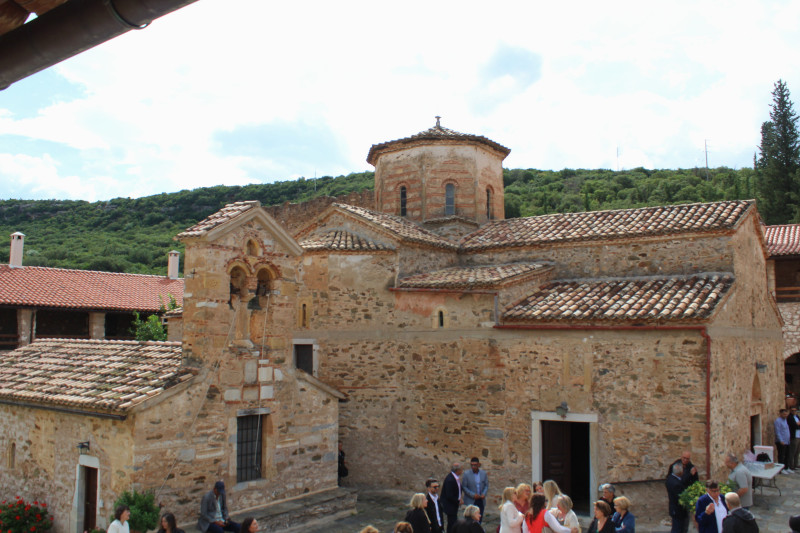
The Monastery of the 40 Martyrs is a men’s monastery located in 8km Northwest of Sparta in Laconia, Peloponnesos, and was founded in 1305.
The Forty Holy Martyrs were 40 Christian soldiers who lived in the 4th century AD, during the time of the Roman Empire. According to Christian tradition, they served in the Roman army and were stationed in the city of Sebaste in Asia Minor—in present-day Turkey. At that time, under Emperor Licinius, Christians faced persecution in certain parts of the empire. The 40 soldiers were called upon to renounce their faith in Christ, but they refused to do so. As a result Roman general Agricola ordered that they be tortured. They were striped naked and were cast into the icy waters of a lake on a freezing winter’s night.
The ordeal was horrific; their bodies began to turn blue from the cold. Yet, they encouraged one another, saying: “The winter is harsh.” “But paradise is sweet. Let us endure a little longer, and in a single night, we shall gain all of eternity.”
Bishop Peter of Sebaste gathered their relics and buried them with honours. Their martyrdom is dated to approximately 320 AD.
The memory of the Forty Holy Martyrs of Sebaste is commemorated on March 9th.
Η Μονή των Αγίων Τεσσαράκοντα Μαρτύρων είναι ανδρική μονή, η οποία βρίσκεται 8 χιλιόμετρα βορειοδυτικά της Σπάρτης, στη Λακωνία της Πελοποννήσου, και ιδρύθηκε το 1305.
Οι Άγιοι Τεσσαράκοντα Μάρτυρες ήταν 40 Χριστιανοί στρατιώτες που έζησαν τον 4ο αιώνα μ.Χ., κατά την εποχή της Ρωμαϊκής Αυτοκρατορίας. Σύμφωνα με τη χριστιανική παράδοση, υπηρετούσαν στον ρωμαϊκό στρατό και ήταν τοποθετημένοι στην πόλη Σεβάστεια της Μικράς Ασίας —στη σημερινή Τουρκία. Εκείνη την περίοδο, επί αυτοκράτορα Λικινίου, οι Χριστιανοί υφίσταντο διωγμούς σε ορισμένα τμήματα της αυτοκρατορίας. Οι 40 στρατιώτες κλήθηκαν να απαρνηθούν την πίστη τους στον Χριστό, αλλά αρνήθηκαν. Ως αποτέλεσμα, ο Ρωμαίος στρατηγός Αγρικόλας διέταξε να βασανιστούν. Τους έγδυσαν και τους έριξαν στα παγωμένα νερά μιας λίμνης, σε μια νύχτα δριμύτατου χειμώνα. Το μαρτύριο ήταν φρικτό· τα σώματά τους άρχισαν να μελανιάζουν από το κρύο. Ωστόσο, ενθάρρυναν ο ένας τον άλλον λέγοντας: «Ο χειμώνας είναι σκληρός, αλλά ο παράδεισος είναι γλυκός. Ας υπομείνουμε λίγο ακόμα και, μέσα σε μία μόνο νύχτα, θα κερδίσουμε ολόκληρη την αιωνιότητα».
Ο Επίσκοπος Σεβαστείας Πέτρος συνέλεξε τα λείψανά τους και τα ενταφίασε με τιμές. Το μαρτύριό τους χρονολογείται περίπου στο 320 μ.Χ.
Η μνήμη των Αγίων Τεσσαράκοντα Μαρτύρων της Σεβάστειας εορτάζεται στις 9 Μαρτίου.
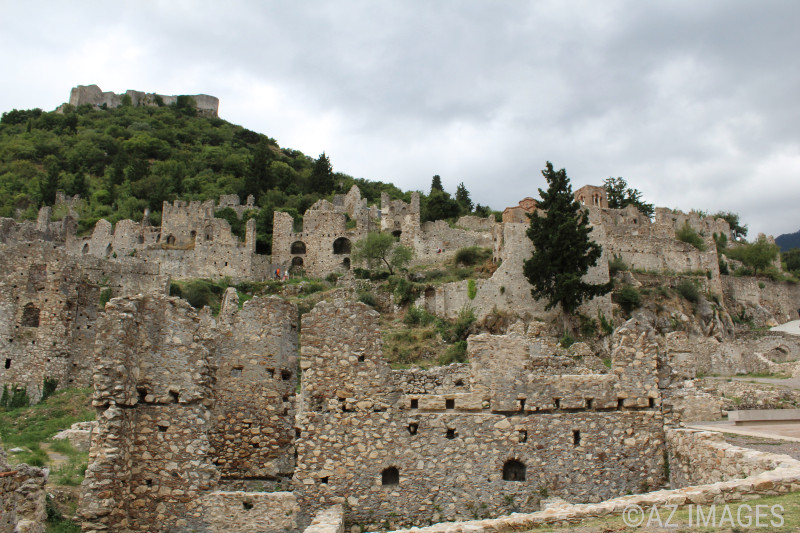
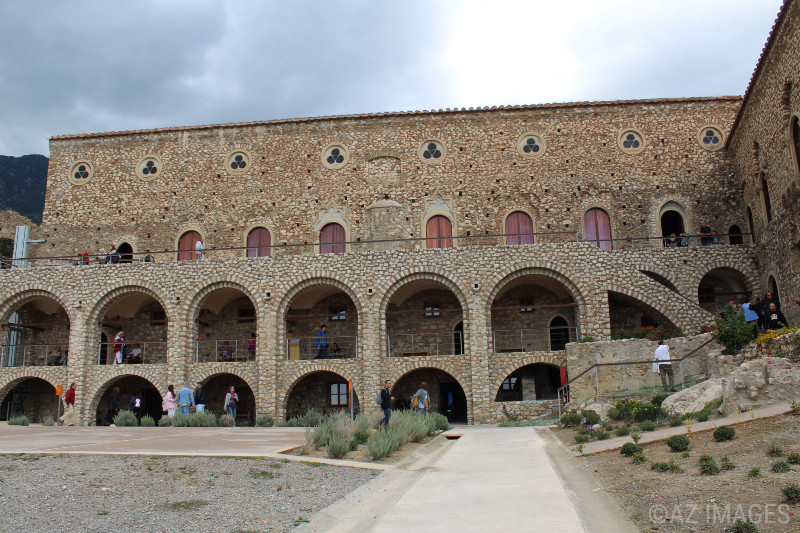
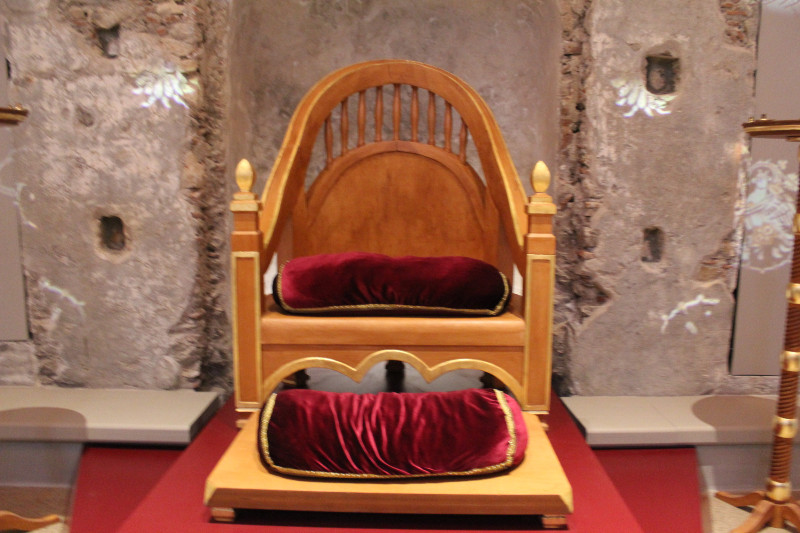
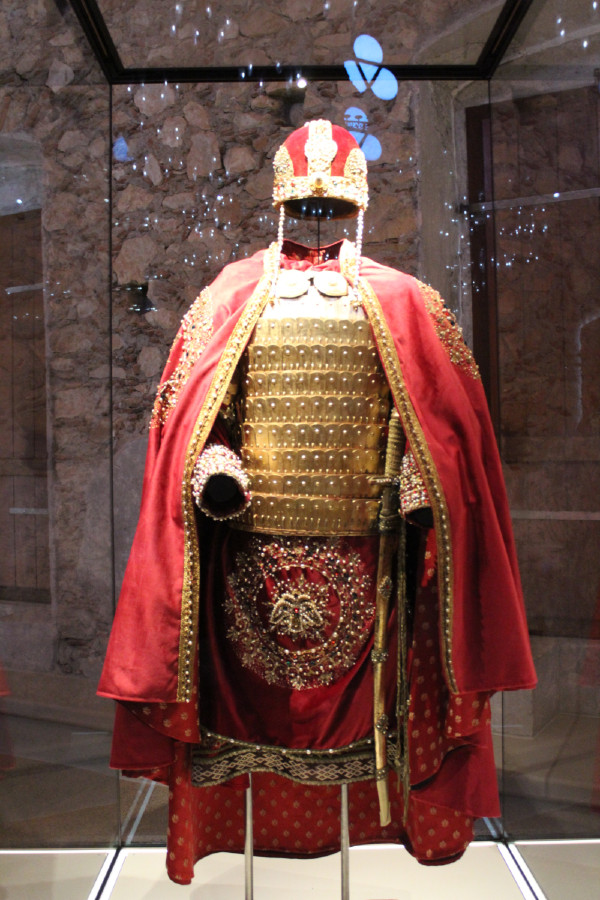
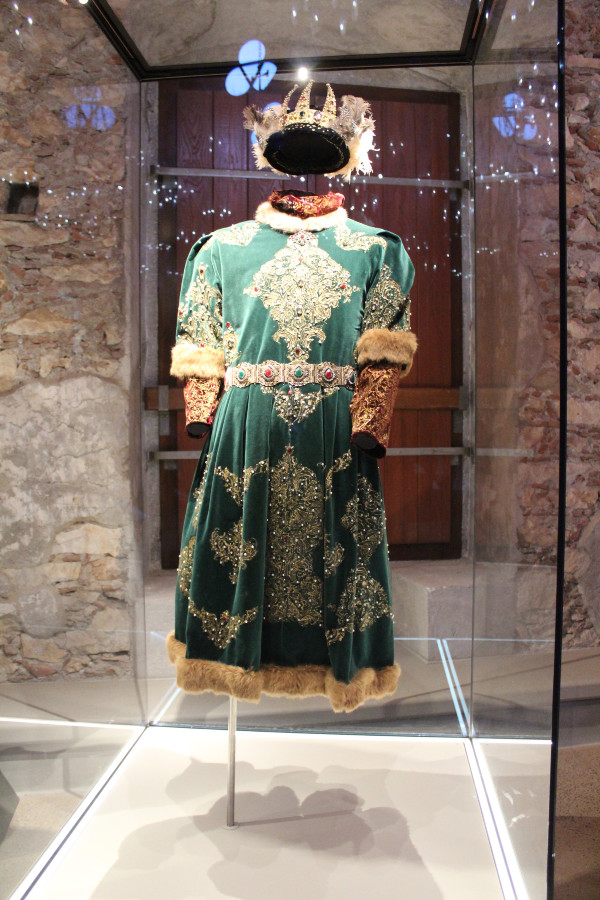
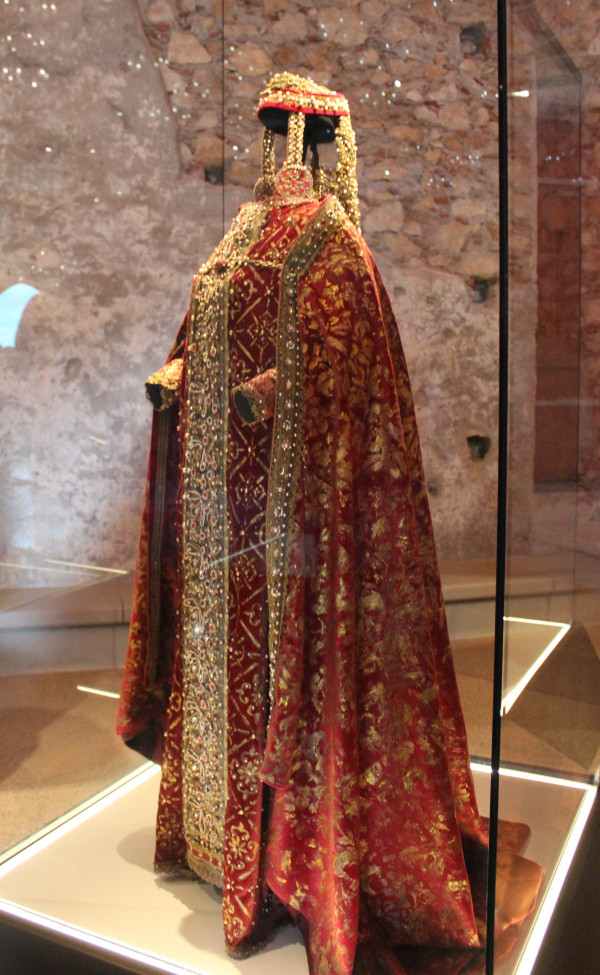
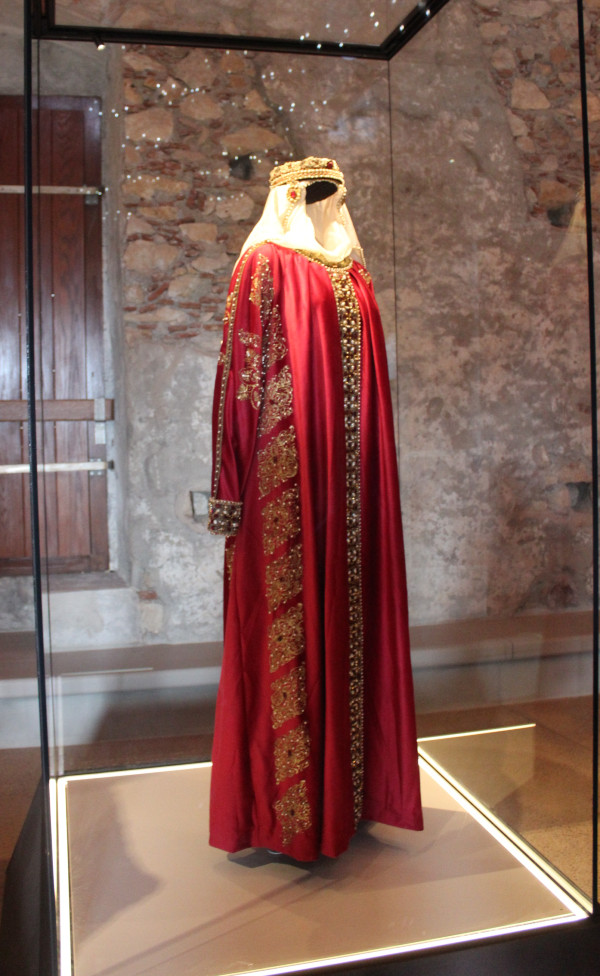
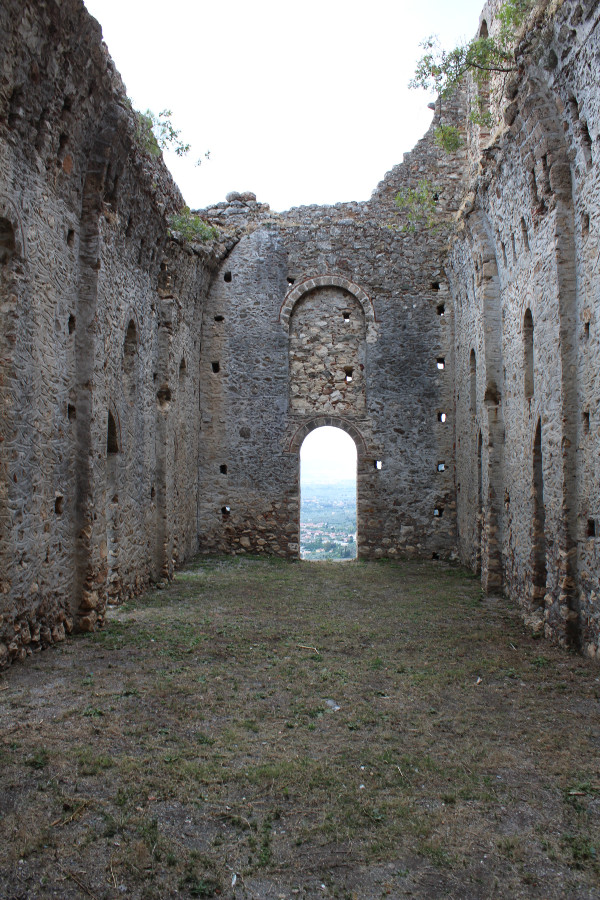
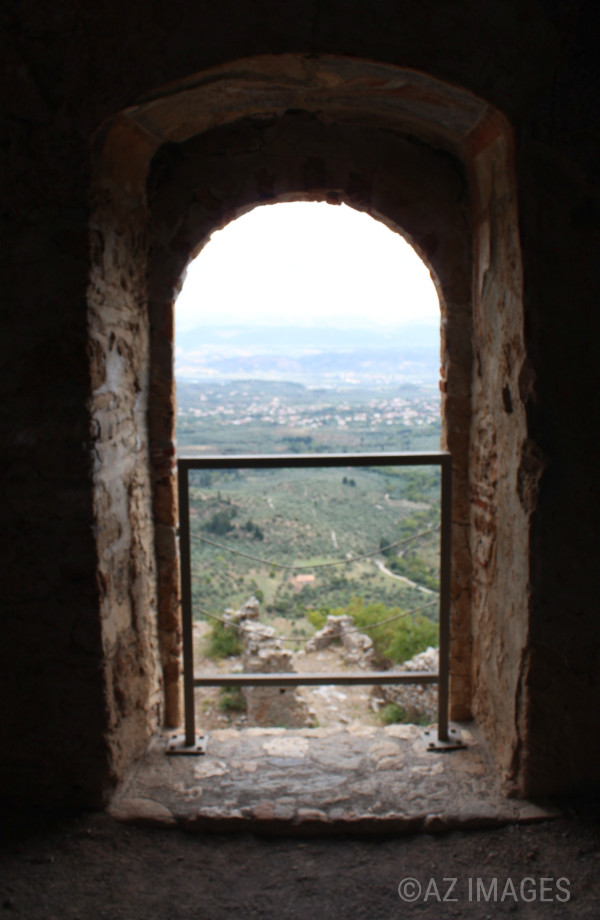
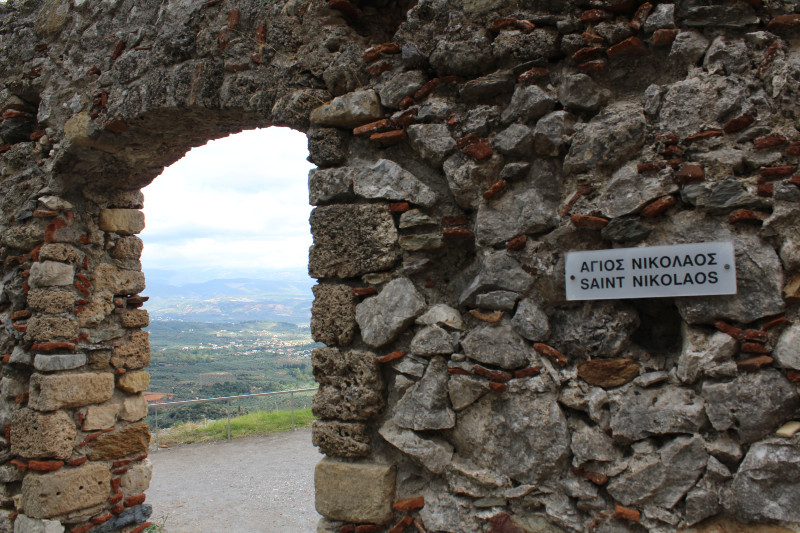
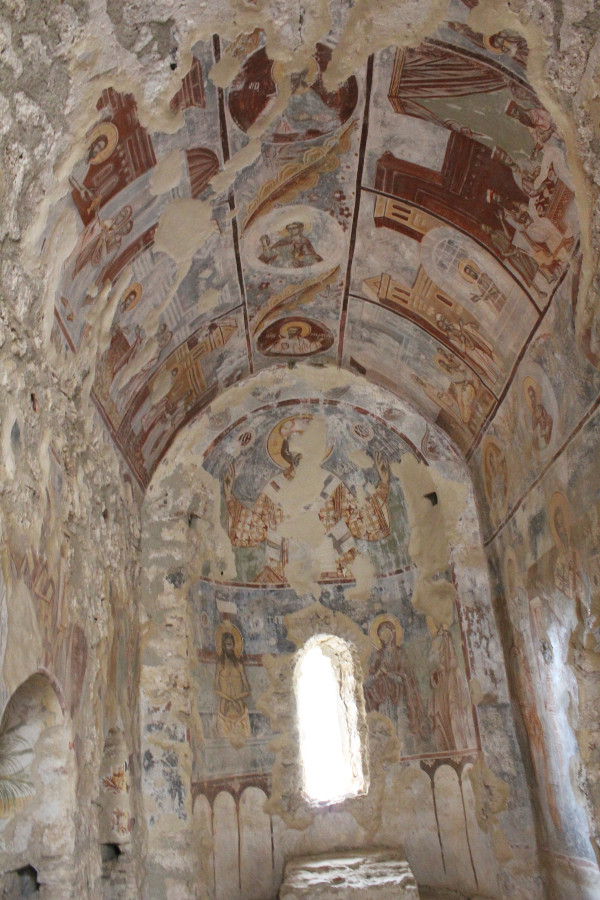
On a hilltop overlooking the city of Sparta the Frankish castle of Mystras was built. William II of Villehardouin, a Frankish ruler, founded the castle in 1249.
There are many churches and monasteries built on the hill of Mystras.
It was a great day for a hike up to the castle. It didn’t rain and it wasn’t hot. I wouldn’t visit the site in the summertime as it is a long hike up and then down with some difficult cobble stones beneath the feet. The view at the top is worth the effort though, as you can see all of Sparta in the distance.
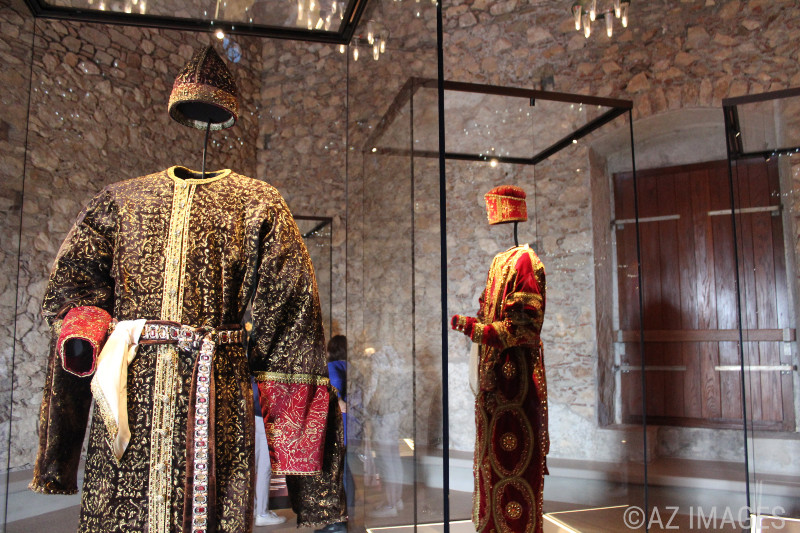
The museum had an impressive display of recreated clothing from the period. The inspiration was from the artwork of that period.
Το φραγκικό κάστρο του Μυστρά χτίστηκε σε έναν λόφο με θέα την πόλη της Σπάρτης. Ιδρύθηκε το 1249 από τον Γουλιέλμο Β’ Βιλλεαρδουίνο, έναν Φράγκο ηγεμόνα.
Στον λόφο του Μυστρά υπάρχουν πολλές εκκλησίες και μοναστήρια. Ήταν μια υπέροχη μέρα για πεζοπορία μέχρι το κάστρο. Δεν έβρεχε και ο καιρός δεν ήταν ζεστός.
Δεν θα επισκεπτόμουν τον αρχαιολογικό χώρο το καλοκαίρι, καθώς η διαδρομή περιλαμβάνει μεγάλη ανάβαση και κατάβαση, με δύσκολα πλακόστρωτα μονοπάτια. Ωστόσο, η θέα από την κορυφή αξίζει τον κόπο, καθώς μπορεί κανείς να δει ολόκληρη τη Σπάρτη στο βάθος.
Το μουσείο διέθετε μια εντυπωσιακή έκθεση με αναπαραστάσεις ενδυμασιών της εποχής, οι οποίες είχαν δημιουργηθεί με βάση τα έργα τέχνης της περιόδου εκείνης.
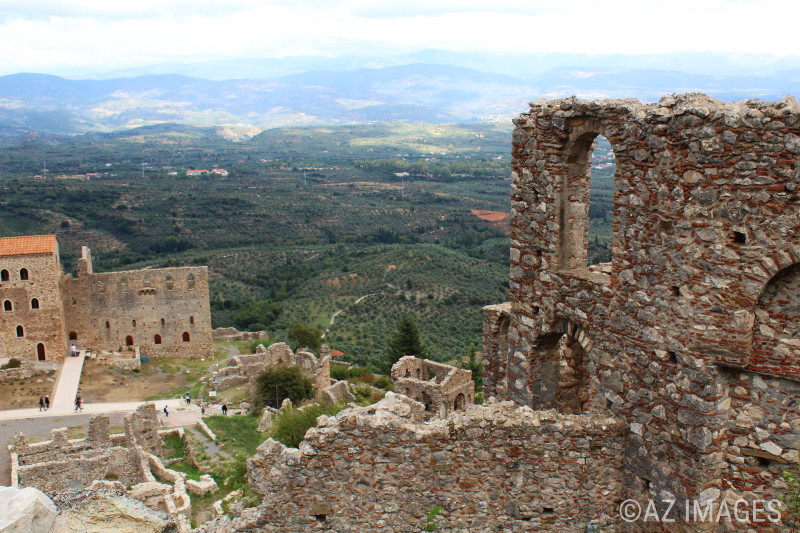
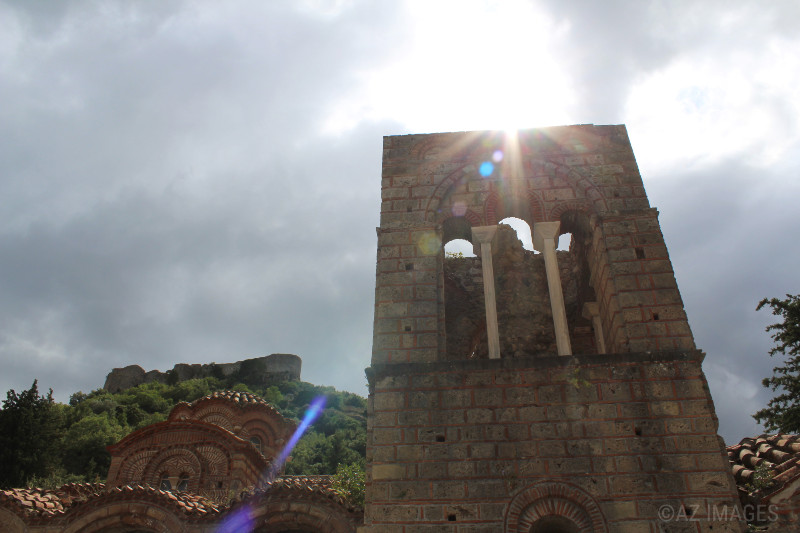
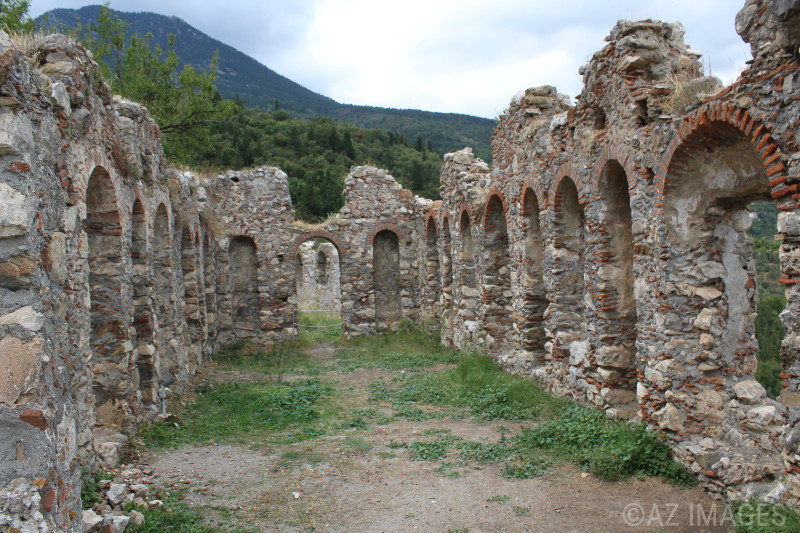
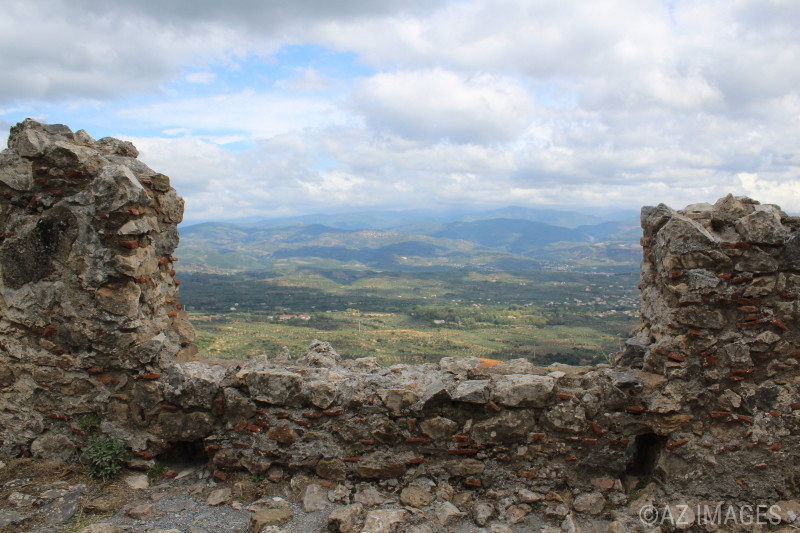
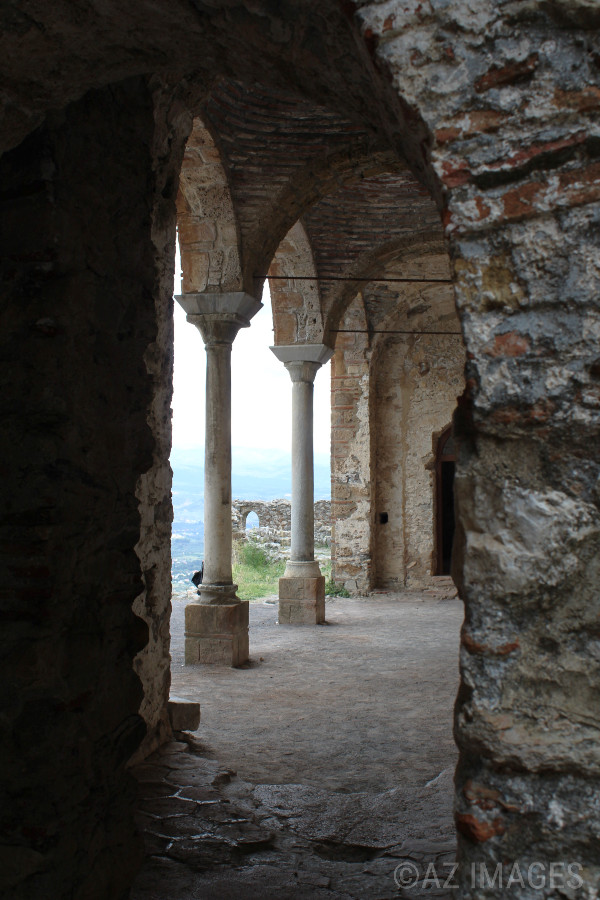
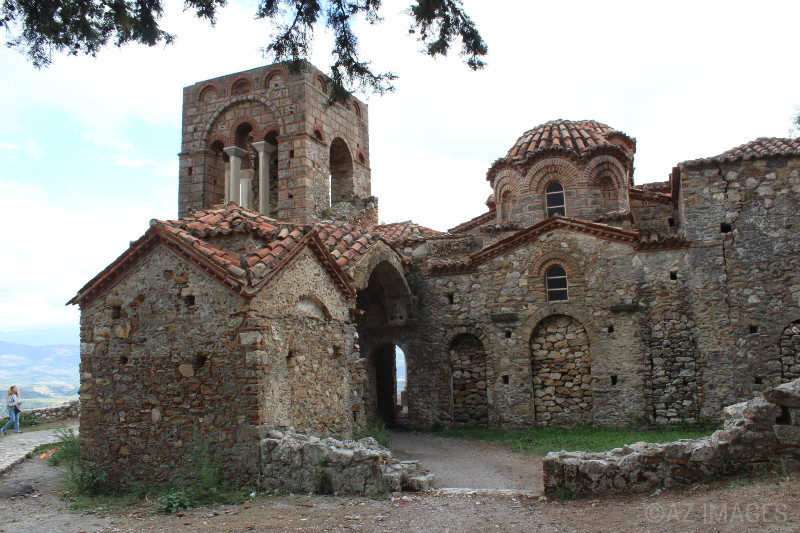
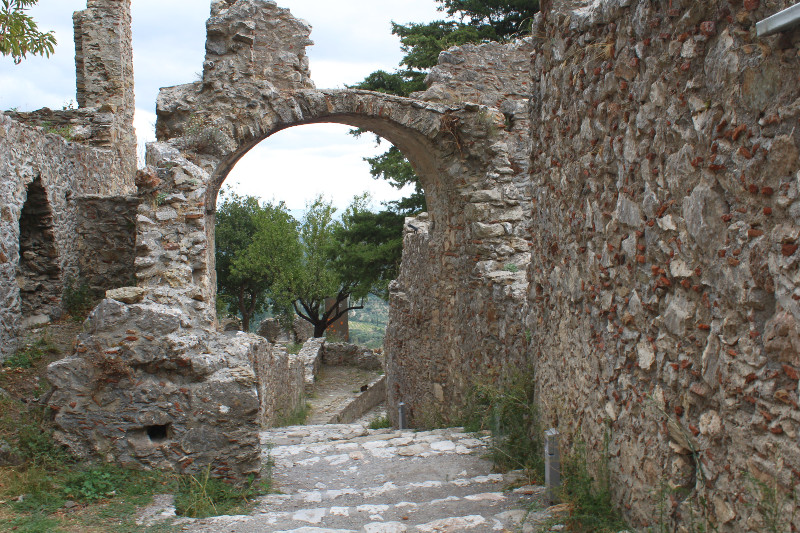
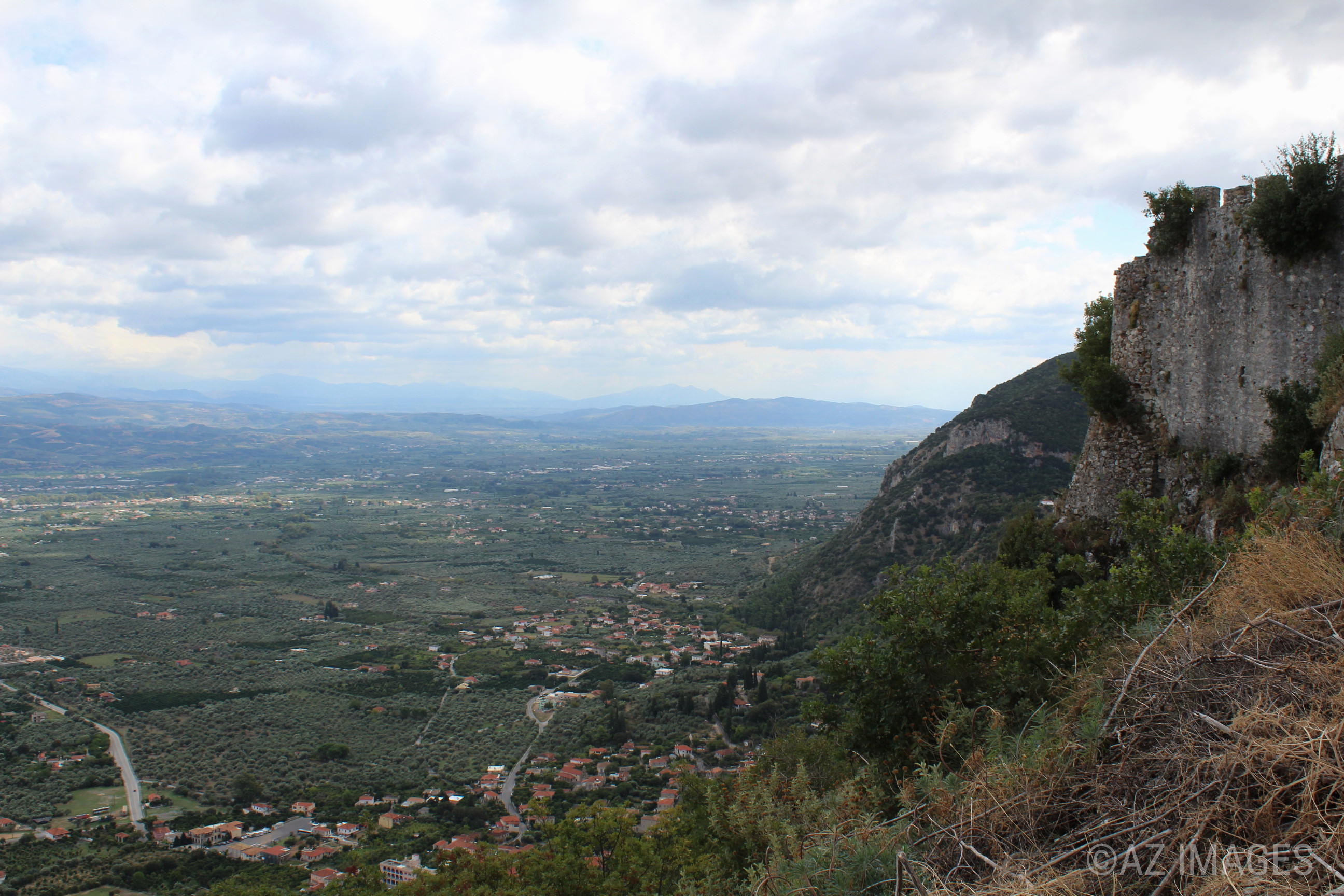
Mystras is a Byzantine castle town in the south of the Peloponnese close to the town of Sparta. at the foot of Mt. Taygetos.
It was included in the list of UNESCO World Heritage Sites in 1989.
It is an an elevation of 1.020 ft. The hike to the top is worth it as it offers magnificent views of the municipality of Sparta.
The site has many churches from the 14th and 15th centuries when it was the capital of the Byzantine Despotate of Morea (Peloponnese).
Ο Μυστράς είναι μια βυζαντινή καστροπολιτεία στη νότια Πελοπόννησο, κοντά στην πόλη της Σπάρτης και στους πρόποδες του Ταϋγέτου.
Εντάχθηκε στον κατάλογο των Μνημείων Παγκόσμιας Κληρονομιάς της UNESCO το 1989.
Βρίσκεται σε υψόμετρο 310 μέτρων (1.020 ποδιών). Η ανάβαση στην κορυφή αξίζει τον κόπο, καθώς προσφέρει υπέροχη θέα προς τον Δήμο Σπάρτης.
Ο αρχαιολογικός χώρος διαθέτει πολλές εκκλησίες που χρονολογούνται από τον 14ο και τον 15ο αιώνα, την εποχή που η πόλη αποτελούσε την πρωτεύουσα του βυζαντινού Δεσποτάτου του Μορέως (Πελοποννήσου).
It’s a very long story.
As anyone who is going through or recovered from a health issue can attest. I’ll make it as short as I can for this blog as I am not going to be writing a book on the subject.
This past March I received the shocking breast cancer diagnosis. It was not something that I expected to happen to me especially this year as I had been cleared of other cancers the year before. I was even hospitalised for another health issue last year. I was on my path to recovery and was doing well-or so I thought. In late February I was getting my mammogram, and I knew from the look of the technician and the time spent in the room that something was off. The next day I got the dreaded call back. I was told I had to go to the hospital to get a biopsy on the mass that was detected by the machine.At the hospital the surgeon at the breast clinic looked at my x-ray and said ‘it doesn’t look good’.
A couple of weeks later I was called in to receive the biopsy results in person. I sat at the office of the breast clinic and stared at the paper. There is something surreal about seeing your name and the word ‘adenacarcinoma’ in bold letters on the same sheet of paper.
Around that time I had attended the funeral of a distant Aunt. She passed away from breast cancer. She didn’t catch it early enough and it spread everywhere. I remember being at a wedding a couple of years ago, and that I had sat at her table in the seat next to her at the end of the night. She had a big smile on her face. She told me to dance even if you can’t. She knew. I got up and danced. Not very well, but I did my best. I remember thinking how strange all of that was. She probably knew..
After the diagnosis in March the nightmare begins. There is no time to waste. Your body is trying to kill you and you now have to fight back. There is a short window between the results and surgery, and you have to get every test known to man done, from blood tests, MRI, Scintigraphy, ultrasounds, bone density exam etc.. all before the surgery. If you have a busy life with a lot of obligations everything and everyone takes a back seat.Your health becomes a priority. I was lucky though that I didn’t have a lot of responsibilities or obligations to anyone, so I had could deal with this quietly without too much fuss.
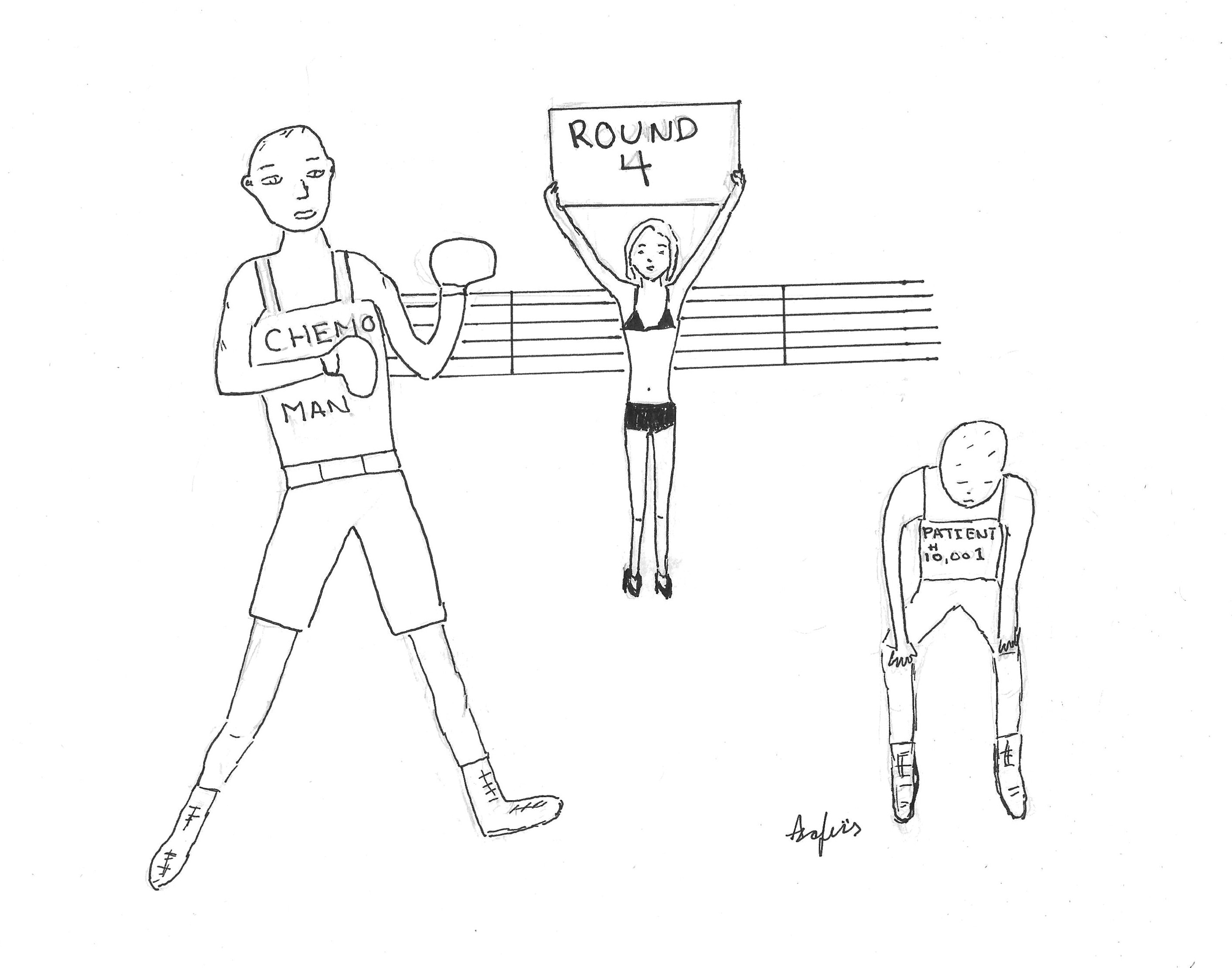
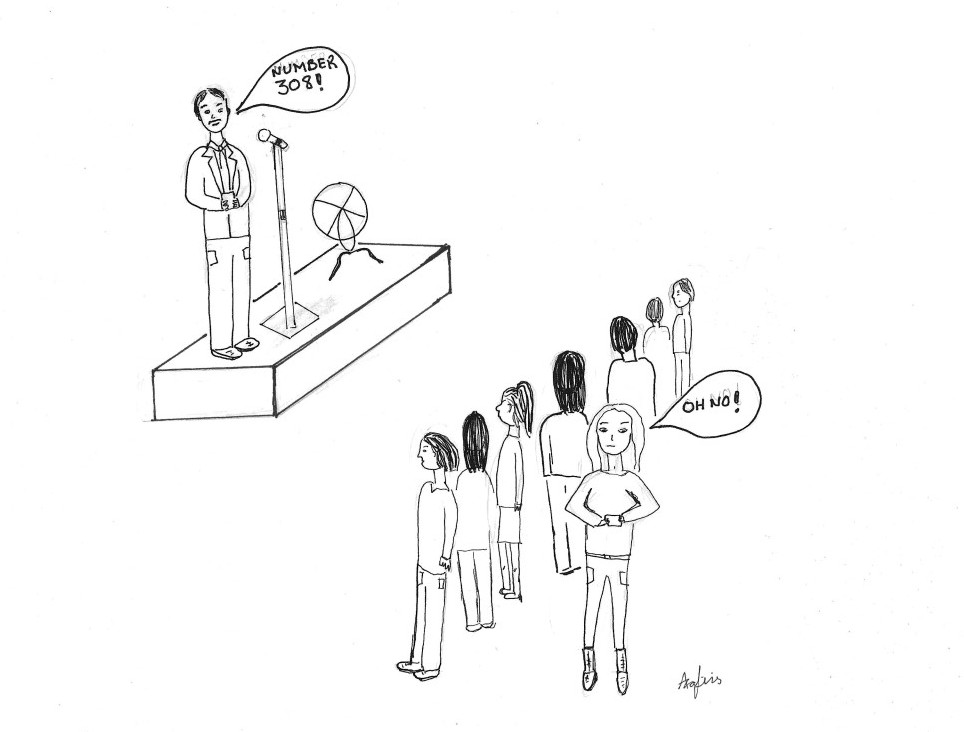
In late March I had the operation. a lumpectomy and I was given a month to recover. It wasn’t too terrible, just uncomfortable. During that month my lymph nodes were being biopsied. After I recovered I was called to see the oncologist and given the results. The doctor told me that four lymph nodes had been removed during the surgery and that out of the four one was not so great. The cancer cells from the tumour had spread to the lymph node. The oncologist told me there is no such thing as ‘perfect health’. She told me it is not terminal. It is in the early stages, it is treatable and is hormone receptor positive. Meaning it was caused by the hormone estrogen, I would be put on estrogen blockers for a few years.. The oncology team came to the decision that I have to do four rounds of chemotherapy, plus, fifteen rounds of radiation.
The news that it had spread was shocking. I couldn’t believe that I would have to go through chemotherapy and lose my hair too. Despite the initial shock, I was not angry or depressed about it. I remained calm as I usually am. But for the sake of survival I put my emotions in the freezer and carried on. So from May until the second week of August I have been in and out of the hospital receiving treatment. The chemotherapy was brutal. No sugar coating it whatsoever. A necessary evil. There are too many side effects that you have to deal with at once. I was like a car without and engine. I’ll never forget the brutal leg cramps, sleepless nights from the pain, as if I ran a marathon I had no business running in. As well as the food aversions and loss of appetite, and the traumatic hair loss. I looked like gollum from Lord of the Rings, some creature that belonged in a horror movie. I could hear the church organs from those classic Hollywood horror movies playing in the back of my mind. You need a sense of humour to get through chemotherapy because it is truly horrible. However, I can’t be ungrateful as it is the best and only thing that they have. The radiation was easier. only fifteen minutes in the machine. Five days a week at the hospital. I had to avoid the sun like a vampire and it was summertime in Greece.
So, it was a very memorable summer to say the least. A cruel summer indeed!
But, my oncologist told me to ‘be positive’. She had been through what I had been through as well. There is a light at the end of the tunnel. So I tried. I had to change perspective and I was grateful to receive the treatment, and I knew that I was in good hands. It was a bit of a downer to be one of the youngest at the chemo wing and radiation wing. I never thought it would happen to me. I thought it was a boomers disease as many of my relatives and their friends got cancer and none survived it. Unfortunately it happens to children, and it will continue to plague people for years to come. Who knows if there will ever be a cure as there are so many different types of cancers. I asked my oncologist why did this happen to me? I am not over weight, or smoke or drink or do drugs. She said that sometimes your lifestyle and habits don’t pay a role in you getting the disease. Sometimes it’s just biology and cancer is a lottery.
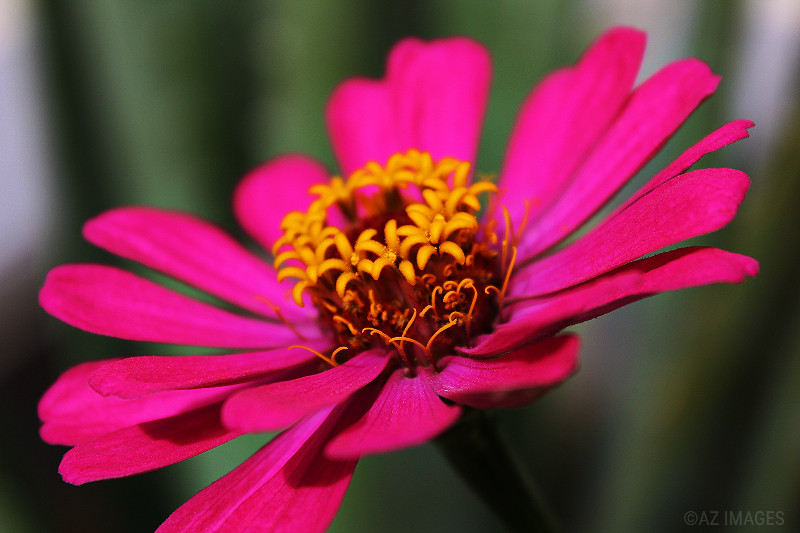
Vibrancy.. ‘the quality of being bright and strong’.
“The comeback is always stronger than the setback.” – Anonymous
«η ιδιότητα του να είναι κανείς λαμπερός και δυνατός».
«Η επιστροφή είναι πάντα πιο δυνατή από την οπισθοδρόμηση.» – Ανώνυμος
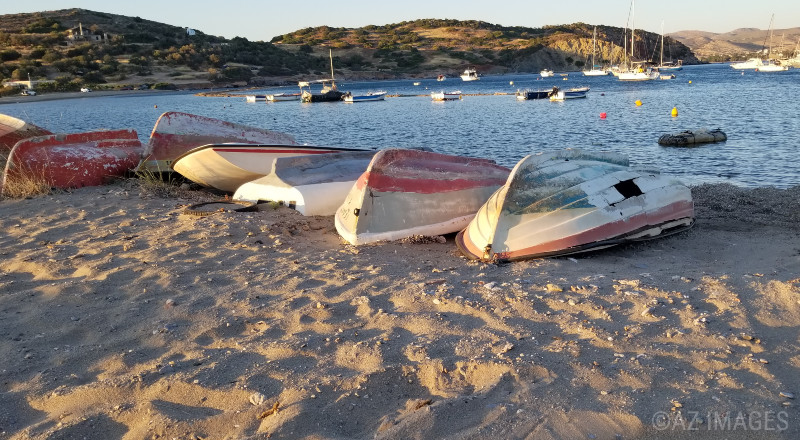
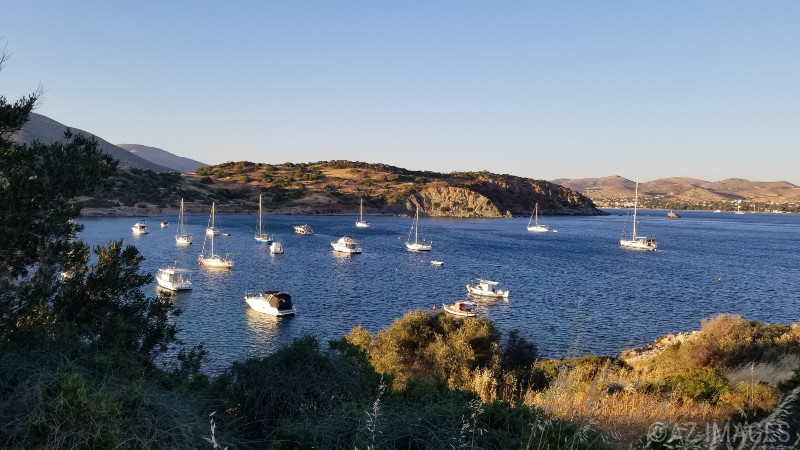
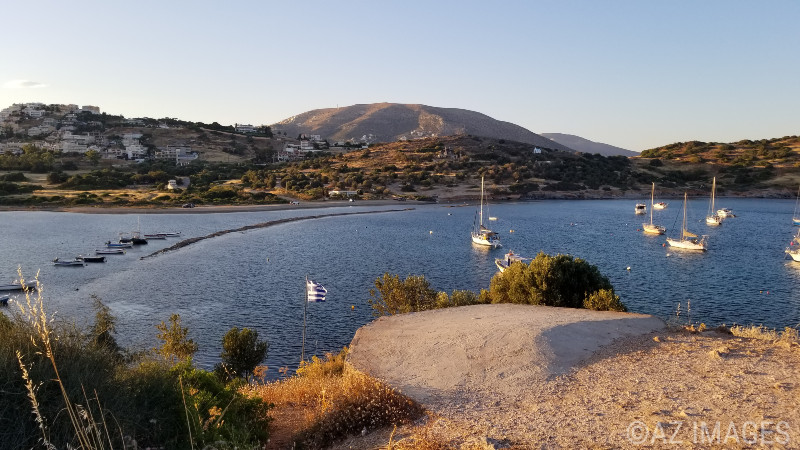
“When the sun is shining I can do anything; no mountain is too high, no trouble is too difficult to overcome.” — Wilma Rudolph
“Bad things do happen how I respond to them defines my character and the quality of my life. I can choose to sit in perpetual sadness immobilized by the gravity of my loss, or I can choose to rise from the pain and treasure the most precious gift I have – life itself.” – Walter Anderson

